How the Collision Repair Process Works: Step by Step
Many drivers are unfamiliar with what actually happens after their vehicle enters a collision repair facility. Understanding the process provides clarity and helps set realistic expectations.
Step 1: Initial Inspection and Estimate
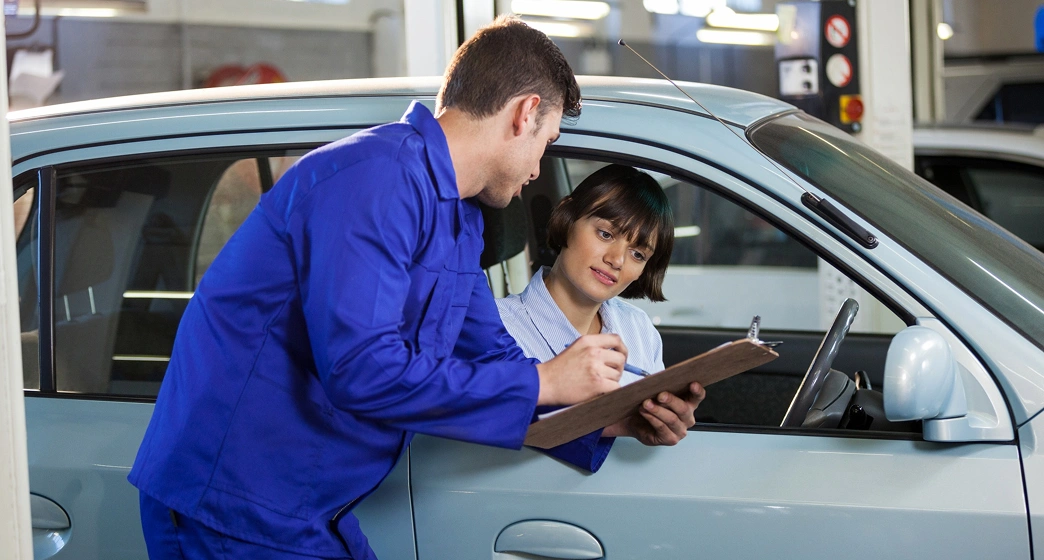
Technicians examine the vehicle to identify visible damage and prepare a repair estimate. This estimate is often shared with the insurance company for approval.
Step 2: Disassembly and Detailed Assessment
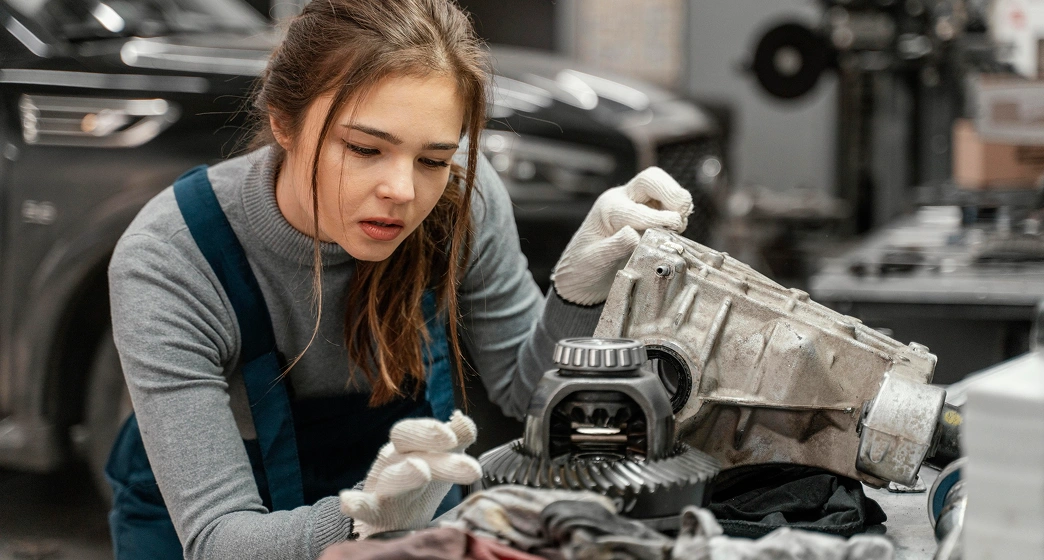
Once repairs begin, damaged components are removed to check for hidden structural or mechanical issues. If additional damage is found, a supplemental estimate may be submitted.
Step 3: Structural and Mechanical Repairs
If the vehicle’s frame or suspension is affected, technicians use specialized equipment to restore proper alignment and structural integrity.
Step 4: Bodywork and Surface Preparation
Damaged panels are repaired or replaced. Surfaces are prepared through sanding, filling, and priming to create a smooth base for paint.
Step 5: Paint Matching and Refinishing
Using computerized color-matching systems, technicians apply paint in controlled environments to ensure an even, durable finish.
Step 6: Reassembly and System Calibration
All components are reinstalled, and electronic systems — including sensors and safety features — are recalibrated as needed.
Step 7: Final Inspection and Quality Control
Before the vehicle is returned, technicians perform a thorough inspection to confirm that repairs meet safety and quality standards.
A Professional Repair Approach
At Collective Collision, this structured process is followed to ensure consistency and precision at every stage. Certified technicians, modern equipment, and systematic quality checks help deliver reliable repair results.